
Pinhole Photography Day |
Story location: Home / photography / pinhole / |
| 27/Apr/2015 |
It's been quite a long time since I posted any non-food photos (back in September when I dabbled with some HDR images), and I haven't done any pinhole photography since 2008.
Yesterday was Worldwide Pinhole Photography Day so I decided to have another go, this time in colour and digital (most of my previous pinhole work was medium format on black and white film). I made a pinhole 'lens' by drilling a hole in a body cap and taping some foil over the hole. I made a hole in the foil using the thinnest needle I could find.
I did a few test photos indoors before going out for a walk along the canal. Since I didn't take my tripod with me, I set the camera to maximum sensitivity to keep the exposures short. Most of the outdoors shots were between 0.5-2s so I still had to brace the camera against something solid but they came out ok.

Click on the thumbnail to view the image
Sowe Valley Footpath |
Story location: Home / photography / pinhole / |
| 12/Oct/2008 |
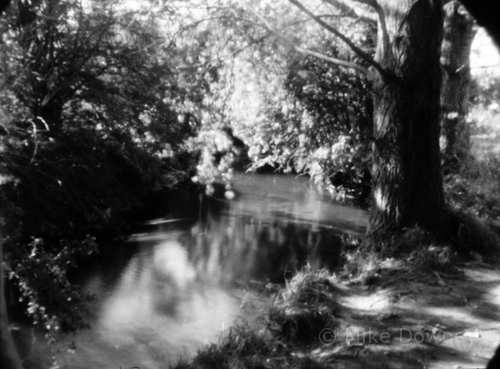
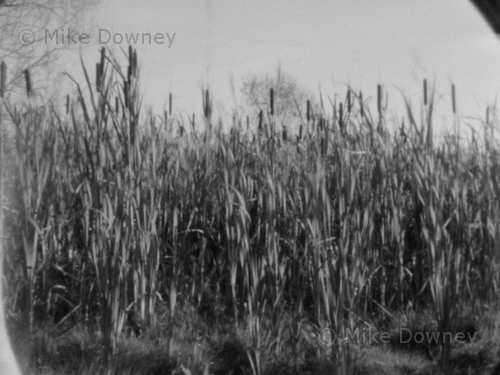
Some pinhole photos taken along the Sowe Valley Footpath in Coventry.
Anstey |
Story location: Home / photography / pinhole / |
| 12/Oct/2008 |
Some pinhole photos taken yesterday around Anstey near Leicester.
Click on the thumbnail to view the image
Charterhouse Fields |
Story location: Home / photography / pinhole / |
| 11/Oct/2008 |
A selection of pinhole photos taken around Charterhouse Fields in Coventry
Click on the thumbnail to view the image
Pinhole Photography Day |
Story location: Home / photography / pinhole / |
| 29/Apr/2008 |
Sunday was World Pinhole Photography Day, where photographers are invited to take photographs using a pinhole camera.
These photographs were all taken over the weekend. Since they were taken on film, it took me a couple of days to develop the negatives, scan them in and prepare them for uploading.
Click on the thumbnail to view the image
A Selection of Coventry Photos |
Story location: Home / photography / pinhole / |
| 20/Sep/2007 |
More pinhole photographs from Coventry. These photos were all taken around summer/autumn last year but didn't get uploaded at the time. Colour photographs of the same scenes are shown for comparison.
Click on the thumbnail to view the image
Cwm Rheidol Mine Workings |
Story location: Home / photography / pinhole / |
| 20/Sep/2007 |
These pinhole photos were taken in the abandoned lead mines around Cwm Rheidol, in 2004.
Click on the thumbnail to view the image
Some Pinhole Photography links |
Story location: Home / photography / pinhole / |
| 20/Sep/2007 |
- Findon.info, home of the Pinhole Photography web ring.
- Pinhole Gallery
- Worldwide Pinhole Photography Day celebrated on April 29th.
- Even Kodak have a page describing pinhole cameras.
Spon Street and Spon End |
Story location: Home / photography / pinhole / |
| 16/Sep/2006 |
Spon Street in Coventry contains a lot of the medieval building in the city, some of which were moved there in the 1970s. During daylight hours the street is usually full of parked cars. These photos were taken early on a sunday morning to try to avoid too many vehicles.
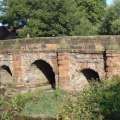
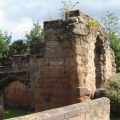
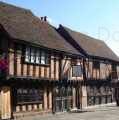
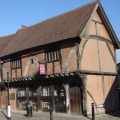
Click on the thumbnail to view the image
Coventry Cathedral |
Story location: Home / photography / pinhole / |
| 10/Sep/2006 |
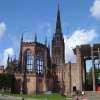
Coventry Cathedral, build in the 1960s, stands next to the ruins of the 14th Century St Michael's Cathedral. The old cathedral was heavily damaged by German bombing in 1940 and now only the shell remains.
The photographs below compare B&W pinhole photos with colour photos taken from the same position.
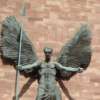
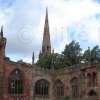
Click on the thumbnail to view the image